
Best UGC creator niches: which industries pay most
Beauty, tech, finance, fitness, or home — which UGC creator niches pay the most? Honest breakdown of average rates and campaign volume by industry.

A finance brand once paid me $650 for a 45-second UGC video. The brief took 20 minutes to read, the script took an hour to write, and filming was done in an afternoon. Meanwhile I know creators grinding out five beauty videos a week at $120 each and still barely hitting $2,500/month.
The niche you're in matters more than almost any other variable in your UGC career. More than your follower count. More than how polished your editing is. If you're in the wrong niche — or you don't know which niches pay a premium — you're leaving real money on the table.
Here's my honest breakdown of the five biggest UGC creator niches, what the brands in each one actually pay, and how much campaign volume you can expect to find.
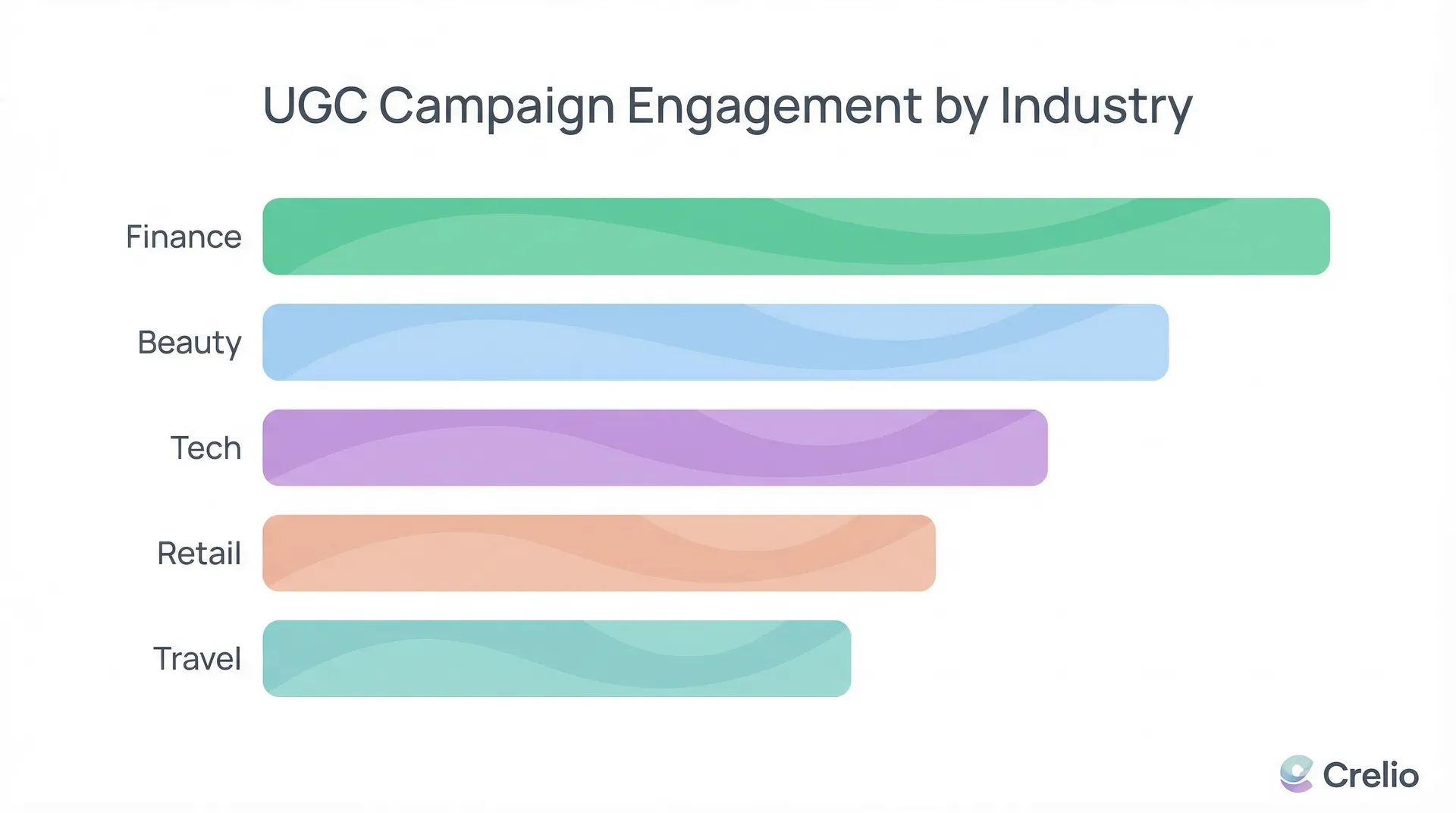
UGC creator niches compared: the quick picture
Before I get into each one: there's a reason some niches pay 3–4x more than others. It comes down to customer lifetime value. A finance app acquiring a new user might make $400+ off that person over a year. A beauty brand selling a $28 serum makes $28. The brand that profits more per customer can afford to spend more acquiring them — and that flows directly into what they'll pay you per video.
Keep that in mind as we go through each niche.
1. Finance and fintech — highest rates, fewest briefs
This is the premium tier. Banks, neobanks, crypto apps, investment platforms, budgeting tools, insurance — they all need UGC and they pay for it.
Typical rates: $300–$800 per video, with usage rights deals pushing well past $1,000. Some fintech apps running paid TikTok and Meta ads will pay $500+ for a single ad creative, then come back monthly for more if it converts.
The catch? Volume is lower. You won't find 40 finance briefs a week on a platform. You'll find 8. Competition is also more intense because experienced creators know the rates are good.
What brands want here is credibility. You don't need to be a CFP. You need to look like a real person talking about money in a way that doesn't feel cringe. Authentic "I used this app to save $300 this month" content performs better than anything scripted-sounding. The compliance requirements are stricter — some finance brands will give you heavy guardrails on what you can and can't say — so read how to read a UGC campaign brief before you take one of these on.
Bottom line: Fewer gigs but the ones you land pay significantly more. Even landing 4–6 finance campaigns a month can clear $2,000–$4,000.
2. Tech and SaaS — premium rates, growing fast
Software, apps, B2B tools, consumer tech, gadgets. This niche has exploded over the last two years as SaaS companies discovered that authentic video content outperforms polished product demos.
Typical rates: $200–$600 per video, with retainer deals being common because software companies like having a consistent creator voice for their ads.
The brief volume here is solid and growing. Every SaaS startup on a growth curve needs ad creatives. The sweet spot is consumer-facing apps (productivity, health tracking, finance-adjacent apps). Enterprise SaaS tends to be harder to break into without specific credentials.
What makes tech UGC different: you need to actually use the product. Brands can tell immediately if you're faking familiarity with their tool. Screen recordings, genuine reactions to features, "I can't believe this app does X" hooks — those work. Generic testimonials don't.
Tech creators who understand UGC hooks that stop the scroll and can translate complex features into simple emotional benefits are worth their weight to these brands.
Bottom line: Great rates, increasingly high brief volume. If you're comfortable with apps and software, this is one of the best niches right now.
3. Beauty and skincare — highest brief volume, mid-range rates
Beauty is where most people start, and for good reason. The brief volume is massive. Skincare brands, makeup, hair care, supplements — there are thousands of brands actively running UGC campaigns at any given moment.
Typical rates: $100–$350 per video. The bottom of that range is crowded. The top is achievable once you have a strong portfolio and a track record of delivering assets that convert.
The problem with beauty is that it attracts the most creators. Supply is high, and a lot of brands know they can get decent content for $150. You'll find more opportunities here than in any other niche, but you'll also compete harder for each one.
Where you can command better rates in beauty: skincare brands targeting older demographics (35+), luxury beauty, and clinical/medical-grade skincare. Those segments want creators who come across as knowledgeable, not just pretty on camera. If you can speak intelligently about ingredients and formulations, you'll stand out from the sea of "I love this product!" videos.
One thing I've noticed: beauty brands are often the best training ground. High brief volume means you get reps. You'll learn how to write a UGC script that gets approved fast much quicker when you're producing 10+ videos a month.
Bottom line: Best niche to start in. Not the best niche to stay in if maximizing income is the goal.
4. Fitness and wellness — steady demand, broad rate range
Gym equipment, supplements, activewear, wellness apps, nutrition products, mental health tools. This niche pays decently and has consistent brief volume year-round (with a predictable spike in January).
Typical rates: $150–$400 per video. Supplement brands tend to be on the lower end. Equipment brands and premium activewear sit higher.
The big differentiator here is whether you actually use the products. You don't need to be a certified personal trainer, but showing up in a home gym setting or filming a genuine workout makes a real difference. Brands in this space can smell inauthenticity.
Wellness has also expanded well beyond traditional fitness — mental health apps, sleep trackers, meditation platforms, hormone health brands. Some of the most interesting briefs I've seen in the last year came from health-adjacent tech brands that blurred the line between tech and wellness. Those often pay tech rates, not fitness rates.
If you're going to do fitness UGC at scale, be aware that your face and body are part of the product in a way they aren't in tech or finance. That's fine, but go in with eyes open.
Bottom line: Good volume, decent rates, and the niche rewards genuine enthusiasm. Not the ceiling of earnings, but solid and sustainable.
5. Home and lifestyle — lower rates, but massive brief volume
Furniture, home goods, kitchen appliances, cleaning products, home décor, organization products. Amazon sellers are also a significant buyer of home UGC.
Typical rates: $75–$250 per video. Home is on the lower end of the rate scale. The brands are often physical product companies with tighter margins than a SaaS startup.
Volume is exceptionally high. If you're just starting out and need to build your portfolio fast — and you have a decent-looking home to film in — this niche is a reliable source of work. You'll get reps, you'll build a body of work, and some home brands are surprisingly easy to work with from a brief perspective.
Where home gets more interesting: smart home tech, premium kitchen brands (think $200+ appliances), and any home brand running performance ads. Those clients treat UGC like the tech niche and pay accordingly.
Seasonal patterns matter here. Q4 is huge. January through March is slower. Plan your pipeline with that in mind.
Bottom line: Great for beginners. Not where you want to plant your flag long-term if rate growth is the goal.
Which niche should you actually pick?
Here's what I tell people: don't pick based purely on rates.
Pick a niche where you have genuine credibility, interest, or a home environment that makes filming natural. A creator who knows nothing about skincare making beauty content at $120/video will always be beaten by someone who's genuinely into it. Same for finance — fake enthusiasm is obvious.
That said, if you're equally comfortable in multiple niches, lean toward finance and tech. The rates justify the extra effort.
And once you know your niche, the next step is understanding how to land UGC campaigns as a creator in 2026 — because a great niche means nothing if your outreach and pitch strategy are weak.
Your niche should match both your credibility and your earning goals. Finance and tech pay the most. Beauty and home have the most briefs. The best approach long-term: primary niche for premium rates, secondary niche for volume and steady work.
You can also stack niches deliberately. Many of the creators making $5k–$10k/month are doing finance or tech as their primary income driver and beauty or home for consistent volume. Check UGC creator rates: what to charge for videos and photos to make sure your pricing reflects the niche you're working in — under-pricing in finance is one of the most common mistakes I see.
When you're ready to pitch brands directly in your niche, how to pitch brands for UGC: cold outreach templates is worth reading before you send your first email.
Frequently Asked Questions
Which UGC creator niche pays the most?
Is beauty a good UGC creator niche?
How much does a UGC creator make in the tech niche?
Can you do UGC in multiple niches?
Do you need to be an expert to do UGC in finance or tech?
Which UGC niche has the most available campaign briefs?
Related reading
- How to land UGC campaigns as a creator in 2026
- UGC creator rates: what to charge for videos and photos
- How to pitch brands for UGC: cold outreach templates
- How to read a UGC campaign brief (and what brands want)
- Best UGC platforms for creators to find paid campaigns
- UGC hooks that stop the scroll and win campaigns